- When a number is permanently disconnected and reassigned, the new subscriber has not consented to your calls. Each unlawful call or text can cost $500 to $1,500 in statutory damages.
- The Reassigned Numbers Database answers one question: has this number been permanently disconnected since a given date? It returns yes, no, or no data.
- A caller that checks the most recent data, receives "no," and still reaches a new subscriber because the database was wrong is protected by the FCC's safe harbor.
- The safe harbor covers only the FCC's database, not other commercial sources, and the caller carries the burden of proof.
The problem: numbers change hands
When a customer gives up a phone number, the provider ages it and then assigns it to someone else. FCC rules set the waiting period: at least 45 days and no more than 90 days for residential numbers, and up to 365 days for business numbers. The new subscriber never consented to your calls or texts.
Why it matters. An automated call or text to a reassigned number is made without the recipient’s consent. The TCPA lets consumers sue for $500 per violation, and a court may increase that to $1,500 if the violation was willful or knowing. A list collected years ago can contain many numbers that now belong to strangers.
How the database works
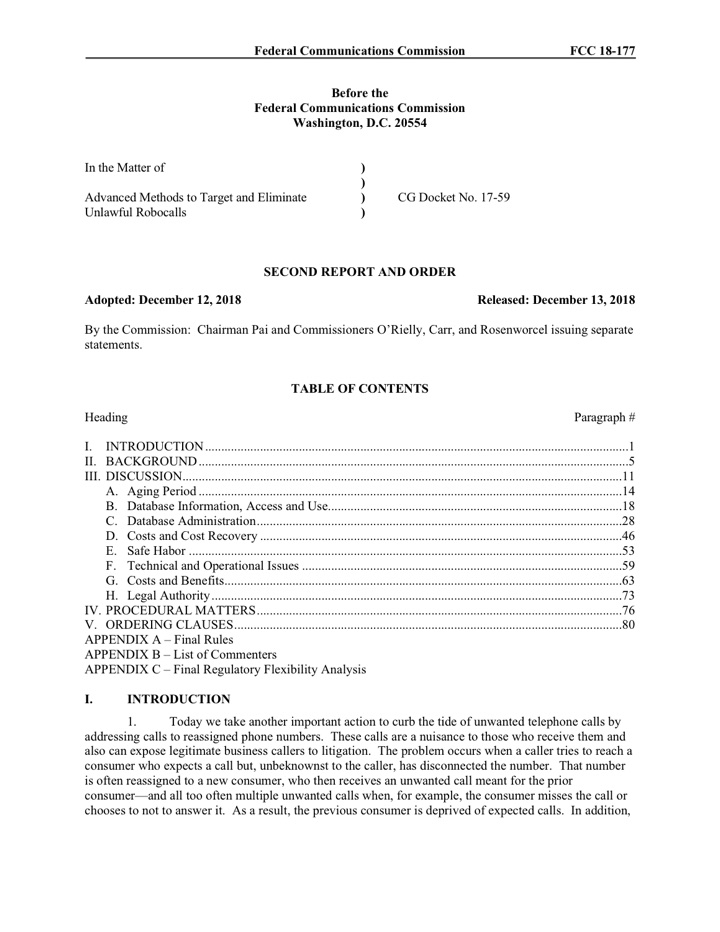
The FCC created the Reassigned Numbers Database in December 2018 (FCC 18-177), and it went live on November 1, 2021. SomosGov, Inc. is the administrator.
- What goes in. Each month, providers report the most recent date each of their numbers was permanently disconnected. A ported number is not “disconnected.” The database holds no subscriber information beyond that date.
- What comes out. A caller submits a number and a date, such as when consent was obtained, and receives “yes” (disconnected since then), “no” (not disconnected), or “no data.”
- Who can query. Callers who agree to use it solely for this purpose, and third parties acting as their agents.
The safe harbor, and its limits
Under 47 CFR 64.1200(m), a caller is not liable for a call to a reassigned number if it shows, “bearing the burden of proof and persuasion,” that:
- it checked the FCC’s database, using the most recent update, and received a response of “no”; and
- the call happened because the database returned “no” in error.
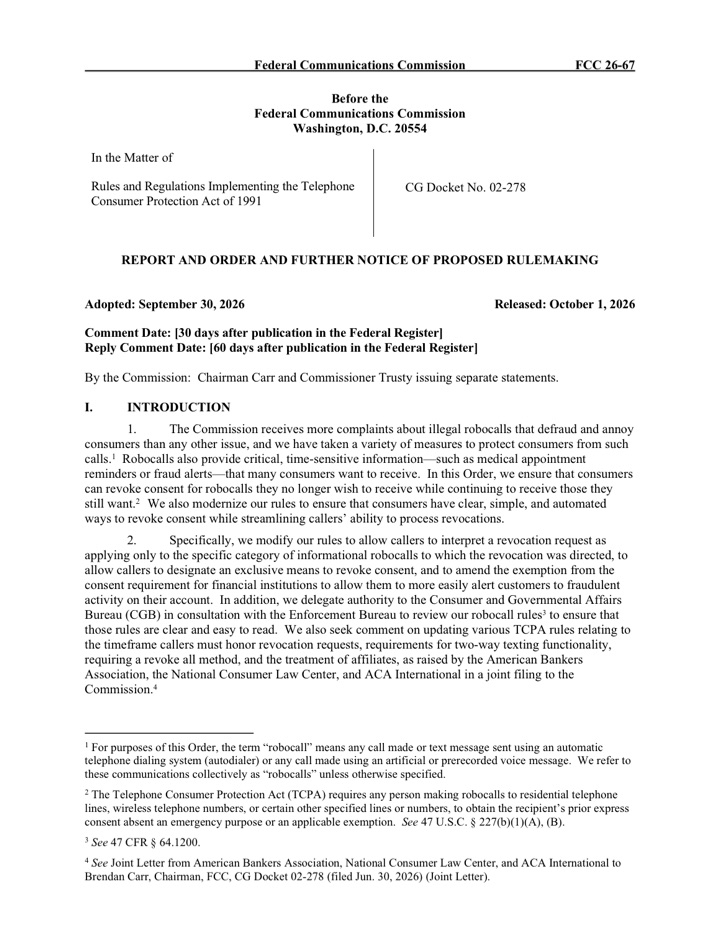
The limits matter as much as the protection. The FCC declined to extend the safe harbor to other commercial databases, so a check elsewhere does not qualify. The caller must be able to prove the check. And the FCC continues to point callers to the database: in its October 2026 TCPA order, covered in our analysis of the November 25 opt-out rules, it encouraged financial institutions to use it so fraud alerts do not reach a number’s previous holder.
Questions to answer now
Compliance and operations leaders should be able to answer the following with confidence:
| # | Question for your leadership team | When |
|---|---|---|
| 1 | Do we check numbers against the FCC’s database before automated calls and texts, or a different source? | Now |
| 2 | For any call in dispute, could we produce the query, the date used, and the response? | Now |
| 3 | How old are the consents behind our calling and texting lists? | This quarter |
| 4 | Who runs our checks, and are they authorized to act as our agent? | This quarter |
Answering these questions takes records, not assumptions. The VoiceAlerts Compliance Team can review where you stand in a free 30-minute briefing.
Key dates
| Date | Milestone |
|---|---|
| Dec 13, 2018 | FCC creates the Reassigned Numbers Database and the safe harbor (FCC 18-177). |
| Nov 1, 2021 | The database goes live. |
| Oct 1, 2026 | FCC encourages financial institutions to use the database for fraud alerts (FCC 26-67). |
How VoiceAlerts helps
VoiceAlerts is a Somos-registered Reassigned Numbers Database Service Provider Agent. We run RND checks on your behalf and keep the query records you need to rely on the safe harbor.
- Reassigned Numbers Database checks run as your agent
- Query records that support the TCPA safe harbor
- Numbers from older or secondary sources
Common questions
What is the Reassigned Numbers Database?
A database created by the FCC (FCC 18-177) in which providers report the most recent date each number was permanently disconnected. Callers query a number and a date, and receive "yes," "no," or "no data." It went live on November 1, 2021, and SomosGov, Inc. is the administrator.
How does the Reassigned Numbers Database safe harbor work?
Under 47 CFR 64.1200(m), a caller is not liable for a call to a reassigned number if it shows that it queried the database using the most recent data, received a response of "no," and the call resulted from the database erroneously returning "no." The caller bears the burden of proof.
Can a third party check the database for a caller?
Yes. The FCC provided that third-party contractors can use the database as the agent of their client callers.
How can VoiceAlerts help with Reassigned Numbers Database checks?
VoiceAlerts is a Somos-registered Reassigned Numbers Database Service Provider Agent. It runs checks on a caller's behalf and keeps the query records needed to rely on the safe harbor.
Sources
- docs.fcc.govFCC 18-177: Advanced Methods to Target and Eliminate Unlawful Robocalls, Second Report and Order (Reassigned Numbers Database)Released December 13, 2018
- docs.fcc.govFCC Public Notice DA 21-67: Reassigned Numbers Database reporting (SomosGov, Inc. as Administrator)January 15, 2021
- docs.fcc.govFCC Public Notice DA 21-1649: Reassigned Numbers DatabaseDecember 29, 2021
- docs.fcc.govFCC 26-67: TCPA Report and Order and Further Notice of Proposed RulemakingReleased October 1, 2026
- ecfr.goveCFR: 47 CFR 64.1200, Delivery restrictions (paragraphs (l) and (m))
- ecfr.goveCFR: 47 CFR 52.15, Central office code administration (aging of numbers)
- law.cornell.edu47 U.S.C. 227(b)(3): Telephone Consumer Protection Act, private right of action
This article is for general information and is not legal advice. Proposed rules can change before adoption; check the FCC record for the final text.