- FCC rules require providers that block calls to offer a single point of contact, a status update within 24 hours, and prompt correction of wrongful blocking.
- The FCC declined to extend redress to erroneous call labeling. A "Scam Likely" label has no equivalent rule.
- A label does not stop the call, so it can go unnoticed, but customers decline calls they think are scams. The cost shows up as falling Human Answered %.
- A pending FCC proposal would display verified caller identity on A-level calls, which the FCC says could make labeling more accurate.
Blocked versus labeled
A legitimate business call can be stopped two ways. It can be blocked, so it never rings, or it can be labeled, so it rings with “Scam Likely” or “Spam Risk” on the screen. The FCC treats the two very differently.
What the rules require for blocking
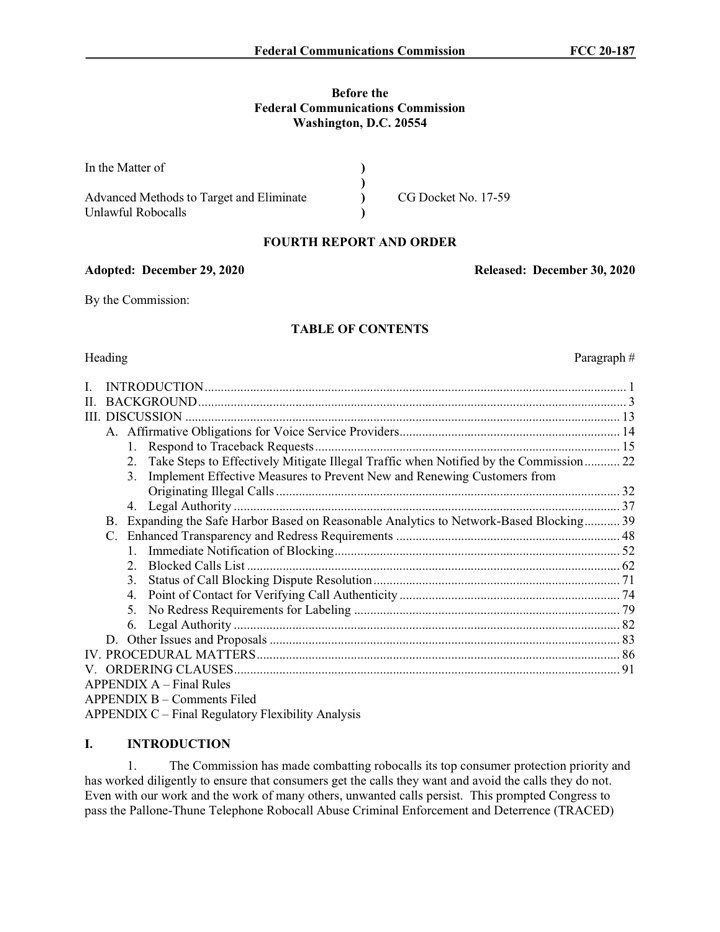
Since the FCC’s December 2020 order (FCC 20-187), a terminating provider that blocks calls, or uses caller ID authentication in deciding how to deliver them, must:
- provide a single point of contact on its public website for blocking disputes;
- resolve disputes within a reasonable time and provide a status update within 24 hours;
- promptly stop the blocking when a caller makes a credible claim that it was wrong; and
- not charge callers for good-faith complaints.
Callers can also see blocking happen. Since March 25, 2026, providers that block calls based on analytics must immediately return SIP code 603+ on IP networks, and on request they must list the calls they blocked in the past 28 days within 3 business days.
What the rules leave out
In the same 2020 order, the FCC stated: “We decline to extend redress mechanisms to erroneous call labeling at this time.” Today’s rules contain no labeling equivalent: no required point of contact, no 24-hour update, no duty to remove a wrong label.
A label can cost as much as a block. A labeled call still rings, so no error code tells you anything went wrong. But customers decline calls they believe are scams, and collections, service, and appointment calls go unanswered. The damage shows up only as a falling Human Answered %, often long after a spoofing attack, prior misuse of a reissued number, or an over-aggressive analytics model caused it.
Spoofing is one of the most common causes, covered in our analysis of caller ID spoofing.
What the FCC is proposing
In October 2025, the FCC proposed (FCC 25-76) that when a terminating provider shows a consumer that a call received A-level attestation, it must also display verified caller identity information, and that originating providers take reasonable measures to verify that information. The FCC suggested verified identity could make analytics more accurate and address concerns about calls being labeled inaccurately. Comments closed February 3, 2026; the proposal is pending, and it does not create a labeling redress process.
Questions to answer now
Leaders responsible for outbound calling should be able to answer the following with confidence:
| # | Question for your leadership team | When |
|---|---|---|
| 1 | How are our outbound numbers labeled on each major U.S. network today? | Now |
| 2 | What is our Human Answered % by number, and when did it last change? | Now |
| 3 | Were any of our numbers reissued to us with a history we never checked? | This quarter |
| 4 | When a number is labeled, who files the redress request, and how do we confirm the label is gone? | This quarter |
Answering these questions takes visibility into how each of your numbers is treated. The VoiceAlerts team can show you in a free 30-minute briefing.
Key dates
| Date | Milestone |
|---|---|
| Dec 30, 2020 | FCC adopts blocking redress rules and declines to extend them to labeling (FCC 20-187). |
| Feb 28, 2025 | FCC requires SIP code 603+ for analytics-based blocking (FCC 25-15). |
| Oct 29, 2025 | FCC proposes verified caller identity on A-level calls (FCC 25-76). |
| Mar 25, 2026 | The SIP code 603+ requirement takes effect. |
How VoiceAlerts helps
VoiceAlerts clears "Scam Likely" and "Spam Risk" labels on USA local numbers, files formal redress requests with labeling and analytics providers, confirms the labels clear across the ecosystem, and keeps watching so rehabilitated numbers stay clean.
- Which of your numbers are flagged, and by whom
- Prior-use contamination on reissued numbers
- A plan to raise your Human Answered %
Common questions
What do FCC rules require when a carrier blocks my calls by mistake?
Under 47 CFR 64.1200(k)(8), terminating providers that block calls must provide a single point of contact on their website, resolve disputes within a reasonable time, provide a status update within 24 hours, promptly stop the blocking on a credible claim, and not charge for good-faith complaints.
Do FCC redress rules cover "Scam Likely" labels?
No. In its December 2020 order (FCC 20-187), the FCC declined to extend redress mechanisms to erroneous call labeling, and the current rules contain no labeling redress duty.
How do I know if my calls are being blocked?
Providers that block calls based on analytics must immediately return SIP code 603+ on IP networks (ISUP code 21 on non-IP networks), and on request provide a list of calls blocked in the past 28 days within 3 business days.
How can VoiceAlerts help with "Scam Likely" labels?
VoiceAlerts clears "Scam Likely" and "Spam Risk" labels on USA local numbers, files formal redress requests with labeling and analytics providers, confirms the labels clear, and monitors the numbers so they stay clean, raising Human Answered % on legitimate calls.
Sources
- docs.fcc.govFCC 20-187: Advanced Methods to Target and Eliminate Unlawful Robocalls, Fourth Report and Order (blocking redress)Released December 30, 2020
- docs.fcc.govFCC 25-15: Eighth Report and Order (SIP code 603+ for analytics-based blocking)Released February 28, 2025; effective March 25, 2026
- docs.fcc.govFCC 25-76: Advanced Methods to Target and Eliminate Unlawful Robocalls, Further Notice of Proposed Rulemaking (verified caller identity)Released October 29, 2025
- ecfr.goveCFR: 47 CFR 64.1200(k), call blocking safe harbors and redress
This article is for general information and is not legal advice. Proposed rules can change before adoption; check the FCC record for the final text.